Chiropractic care
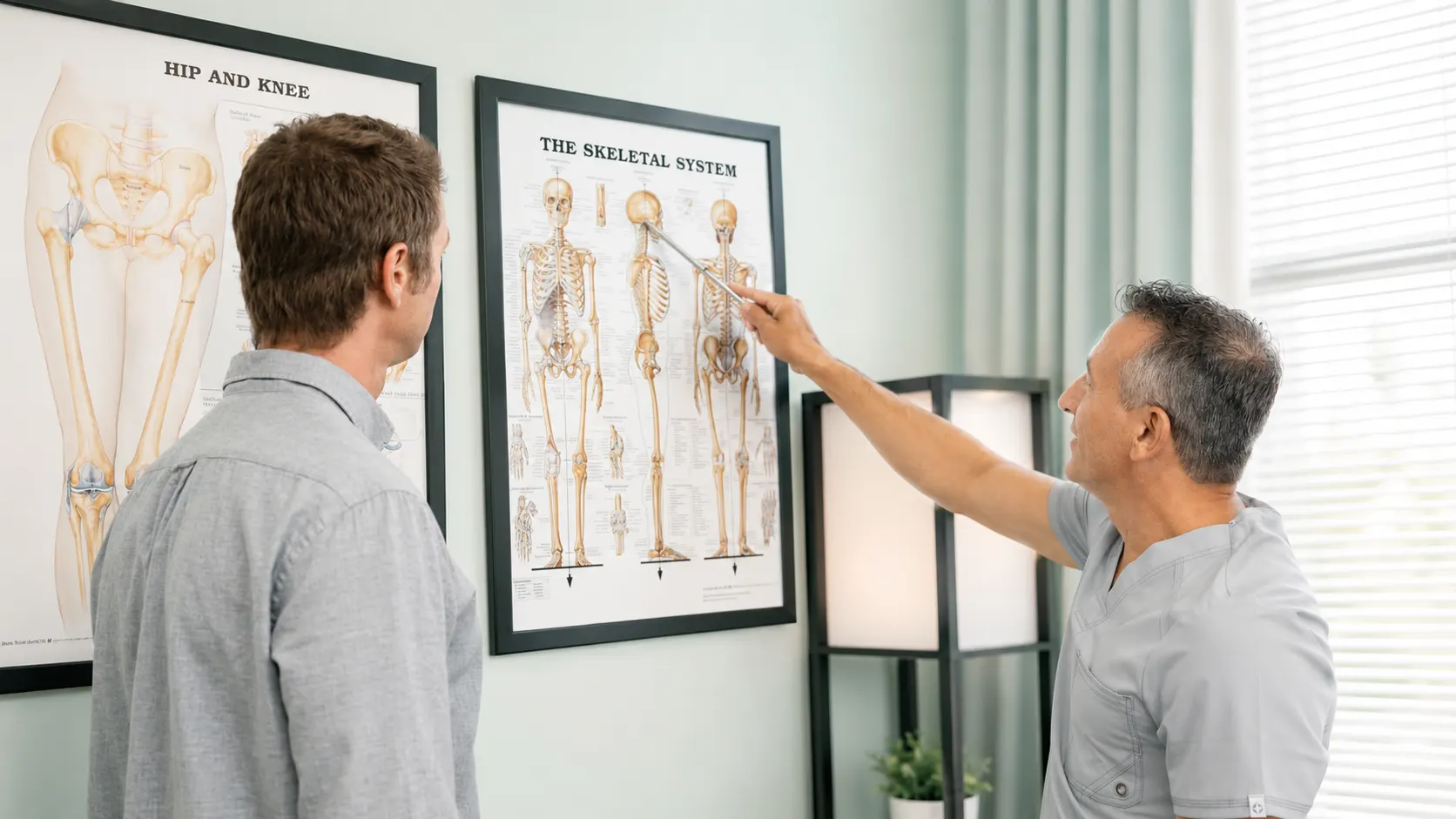
Chiropractic care commonly addresses musculoskeletal concerns. A chiropractor assesses your symptoms and may recommend hands-on care, exercise guidance, or other measures within their scope. Spinal manipulation is a controlled movement applied to a joint and is one possible technique.
Research supports modest benefits from spinal manipulation for some people with low back pain. That does not mean every back problem needs an adjustment or that results are guaranteed. Ask about the expected benefit, possible risks, alternatives, and whether a different type of assessment is needed.
Massage therapy
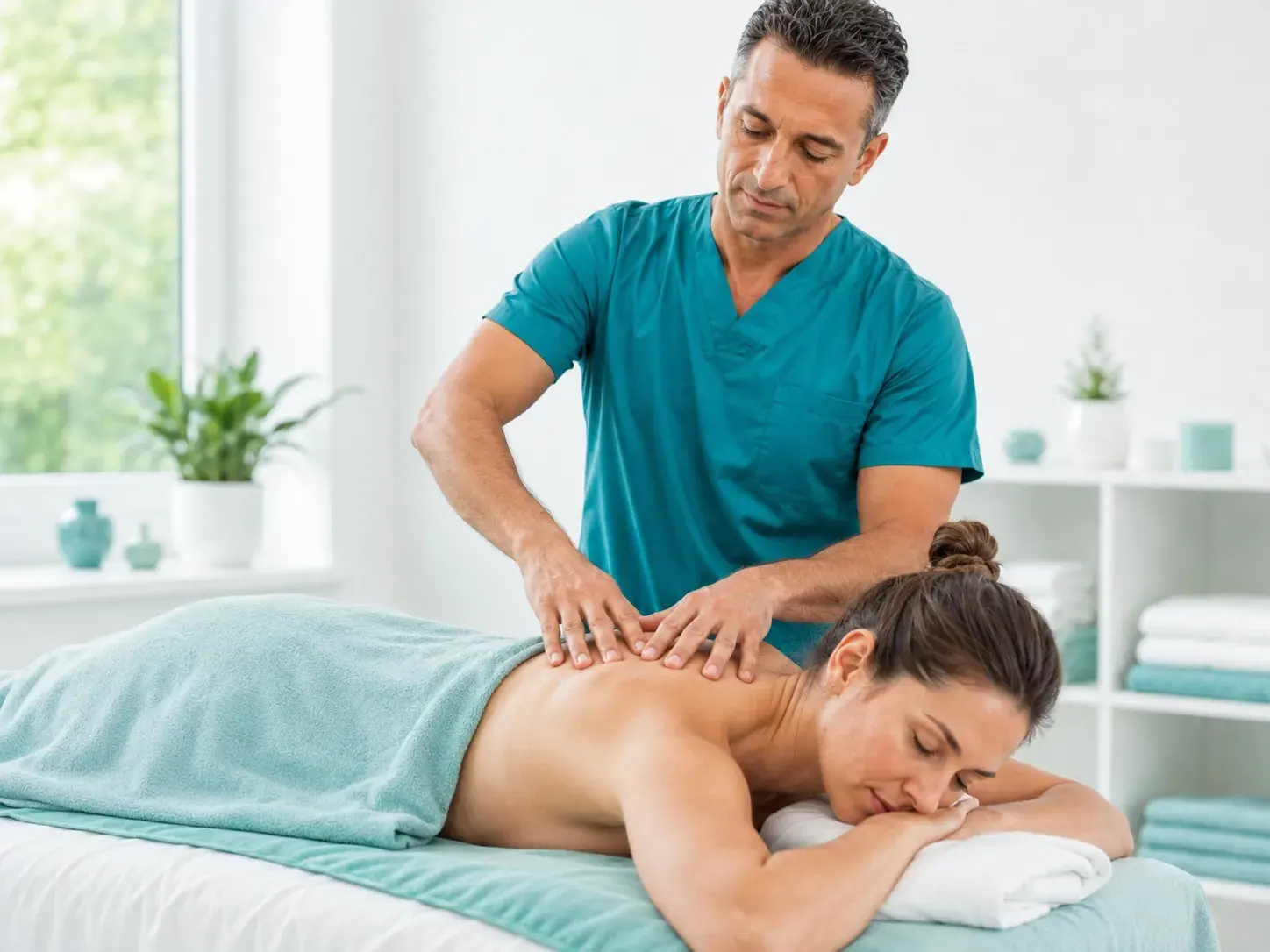
Massage focuses on the body’s soft tissues using hands-on techniques. People may seek it for muscle tension, comfort, or as part of a broader care plan. Pressure and technique can be adapted, so tell your therapist what feels comfortable and describe any relevant health conditions.
Evidence for pain relief varies by condition, and benefits may be short term. Massage should not be used to put off evaluation of unexplained or worsening symptoms. At this clinic, you can learn more on the massage therapy page.
Physical therapy
Physical therapists evaluate movement and function. A plan often includes exercises, education, and practice with activities that are difficult for you; it may also include hands-on treatment. Goals can involve walking, lifting, balance, returning to work, or getting back to sport.
An exercise program should be tailored to the person rather than chosen solely from a diagnosis label. A physical therapist can also identify when another professional needs to assess a concern. If this is the right direction for your needs, ask about an appropriate referral or local provider.
How to discuss your options
Start with the problem you want to solve. Is your priority understanding a new symptom, improving an activity, managing an ongoing issue, or planning a return to exercise? Explain what you have tried and what matters to you.
- Ask why the proposed approach fits your assessment.
- Discuss your preferences and any concerns about hands-on treatment.
- Agree on a way to track progress and a point to reassess the plan.
- If you see multiple providers, ask how information can be shared.
These professions do not fit into rigid boxes: exercises and manual techniques may appear in more than one setting. Integrity Chiropractic’s services page describes its care options; this comparison does not mean every service discussed here is offered at the clinic.
Sources & further reading
General patient education. This article does not diagnose a condition or replace an individual assessment. Your care and imaging needs depend on your medical history and examination.