
Before you arrive
A first appointment is easier when the team has a clear picture of why you are coming in. Write down when your symptoms began, what makes them better or worse, and which daily activities they affect. Bring a medication list and any relevant reports you already have.
The clinic’s new patient guide recommends bringing identification, insurance information, and relevant medical records. If your visit relates to a car accident or workplace injury, bring the claim details you have. Ask the front desk which patient forms can be completed ahead of time.
The assessment comes first
Expect questions about your symptoms, previous injuries, health history, and goals. A clinician may check movement and perform a physical examination to help decide what is appropriate. Tell them about recent trauma, previous surgery, osteoporosis, pregnancy, or other conditions that may affect care.
You can ask what a test is looking for and say if a movement causes discomfort. An assessment may lead to a treatment recommendation, further testing, or referral to another professional. An adjustment is not an automatic requirement of a first appointment.
Discuss a clear plan before treatment
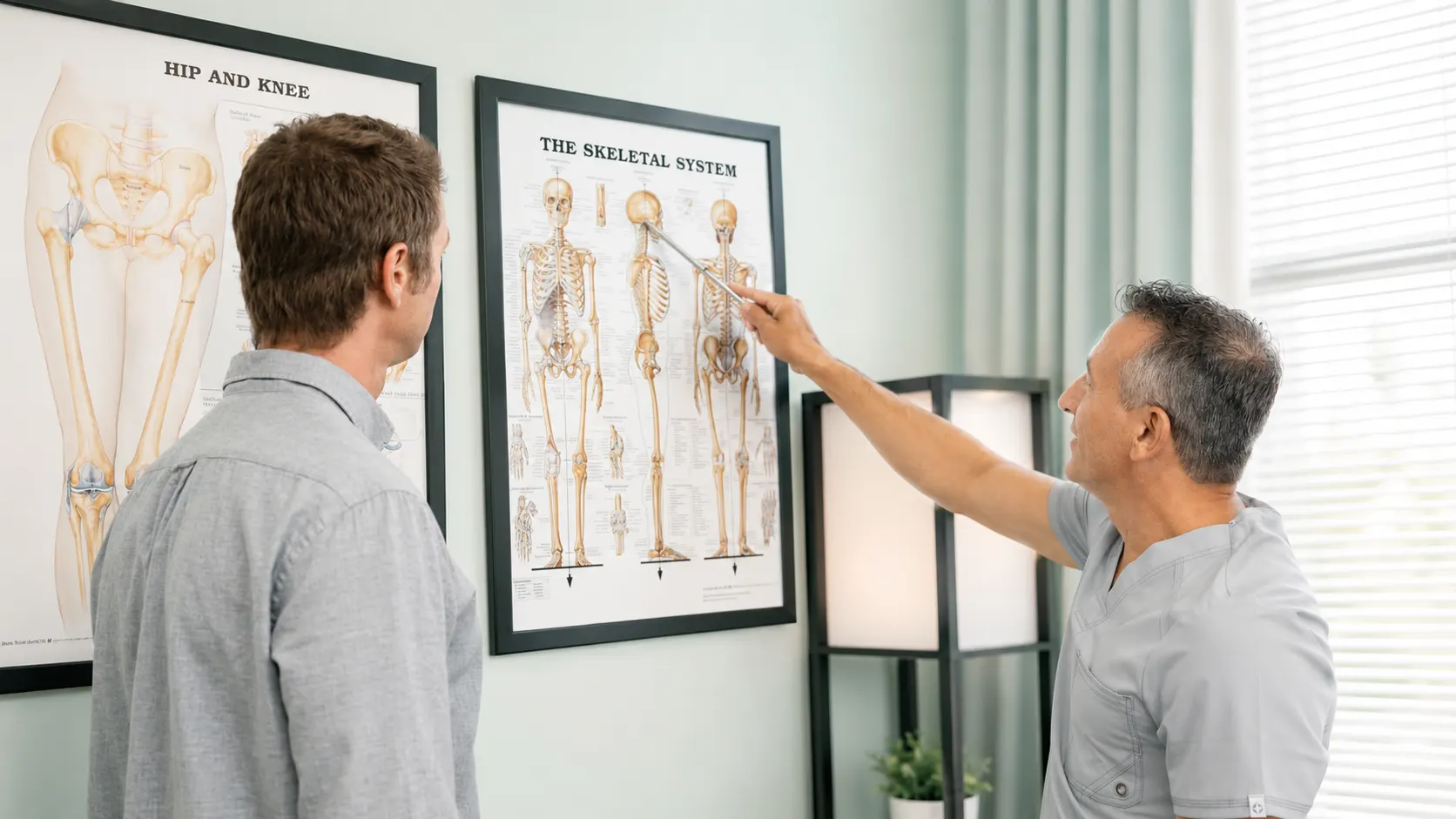
Ask the clinician to explain their findings in plain language. A useful discussion covers the goal of care, the proposed approach, possible benefits and risks, and reasonable alternatives. For some people, the next step may include exercise guidance, another type of care, or further evaluation.
Spinal manipulation is one option used for some musculoskeletal problems; it is not suitable for every person or condition. Share concerns before consenting to treatment, and ask how progress will be assessed. You should feel able to pause and ask questions.
Questions worth bringing with you
- What are we trying to improve, and how will we measure it?
- What alternatives are appropriate for my situation?
- Would imaging change the next step, or can we assess this without it?
- What should I expect after a visit, and which symptoms should prompt a call?
- What will the visit cost, and what should I confirm with my insurer?
Before booking, check insurance and payment information and contact the clinic with any remaining questions. If you need records from another provider, ask the team how to share them securely.
Sources & further reading
General patient education. This article does not diagnose a condition or replace an individual assessment. Your care and imaging needs depend on your medical history and examination.